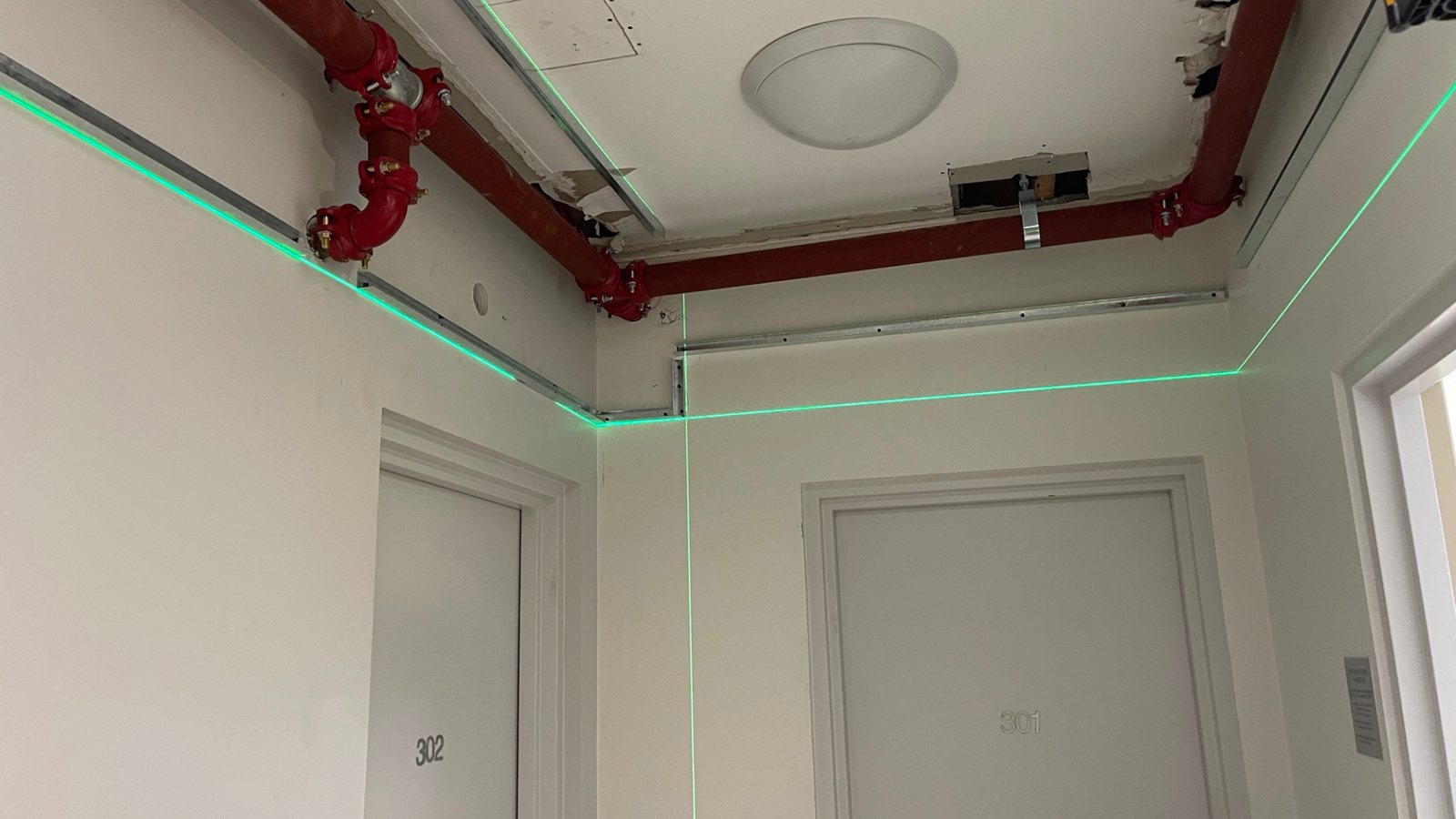
The starting point for strata fire safety compliance is the building's own fire safety schedule. A generic list cannot tell a committee which measures apply or the required standard of performance. Keep the schedule alongside maintenance records, annual statements and any outstanding orders. Dapcor's existing guide to NSW strata fire rules gives broader background.
1. Find the current schedule
Confirm the version and check whether renovations or fire upgrades changed any measures. Ask the appointed professional to resolve any mismatch with the installed building. Keep the documents in a location an incoming strata manager can access.
2. List the actual measures
Depending on the building, the schedule may include sprinklers, hydrants, alarms, emergency lighting, exit signs, fire doors, smoke systems, fire dampers and passive fire protection. Do not assume every building has the same set. NSW Planning's fire safety certification guidance explains annual statements and schedules.
3. Schedule inspection and testing
From 13 February 2026, inspection and testing of essential measures to AS 1851-2012 applies to NSW class 1b and class 2 to 9 buildings, subject to the stated performance solution exception. Review the Building Commission guidance with the fire safety provider and keep reports.
4. Close out defects
Log failed tests and inaccessible items by measure, location, risk, responsible party and target date. Some need maintenance; others require design or building works. Record interim arrangements advised by the responsible professionals. Dapcor's occupied building fire upgrade article covers staging when residents remain on site.
5. Prepare the annual statement
Arrange the assessment by appropriately accredited practitioner or practitioners with enough time to resolve issues. Submit the annual fire safety statement to council and Fire and Rescue NSW as required, and display the statement and current schedule. See Fire and Rescue NSW's lodgement instructions.
6. Check passive measures after other works
A new cable penetration through a rated wall, a failed door closer or an obstructed exit can affect fire safety after a major upgrade. Include fire doors and penetrations in routine building checks. Dapcor's AFSS changes article highlights passive fire issues.
7. Track any fire safety order separately
Record the authority, required work, deadline and evidence needed to close out an order. An annual statement alone does not necessarily resolve a separate order. Establish design, construction and certification responsibilities and keep residents informed of access requirements.
8. Keep a usable record
Maintain one calendar for testing, annual assessment and repairs. Save drawings, statements, certificates and defect closures together. Clear records help a committee see what was done and what remains.
For system terminology, read wet versus dry fire systems. Dapcor delivers fire upgrades and can discuss a defined scope when you contact the team.
Who should own the checklist?
Assign one person or managing agent to maintain the document calendar and defect register, while making it accessible to the committee. Record who books inspections, who authorises repairs and who checks that the annual statement was lodged. A clear owner of each task prevents gaps during staff or committee changes.
How do wet, dry and passive measures differ?
Wet systems generally describe suppression and firefighting equipment such as sprinklers and hydrants. Dry systems commonly cover detection, alarms and warning. Passive measures include rated doors, walls and sealed penetrations that help contain fire and smoke. These labels are useful for organising contractors; they do not replace the precise list in the schedule.
What if an item is not accessible?
Do not treat an uninspected item as a passed item. Record why access failed and organise a return visit or other direction from the accredited practitioner. Where apartment access is needed, issue timely notices and coordinate several measures in one visit where possible. Keep the evidence and any unresolved limitations with the annual assessment records.
How should a committee review progress?
At each meeting, a one page summary can show overdue testing, open defects, the next statement due date, any order milestones and budget decisions. This makes fire safety an ongoing property management responsibility rather than a scramble shortly before the annual statement falls due.
What should happen between annual statements?
The annual assessment is a milestone, not the entire maintenance programme. Review routine test reports as they arrive and act on failures promptly. Check that building alterations have not affected an exit, fire rated wall or alarm interface. Keep fire safety items on the committee agenda so a defect identified in March does not wait until the next statement is due.
How can residents help?
Give residents a clear way to report damaged fire doors, blocked exits and unexpected alarm behaviour. Explain when access to apartments is needed for inspections and why it matters. Reports from occupants complement scheduled testing, but decisions about compliance still belong with accredited practitioners and the responsible professionals.
Before approving upgrade works, check how the proposed changes affect the current schedule and future testing. The design team should explain whether a new certificate, amended documentation or revised maintenance instructions will be needed. Save the final records with the existing fire safety file so future practitioners can understand what changed.