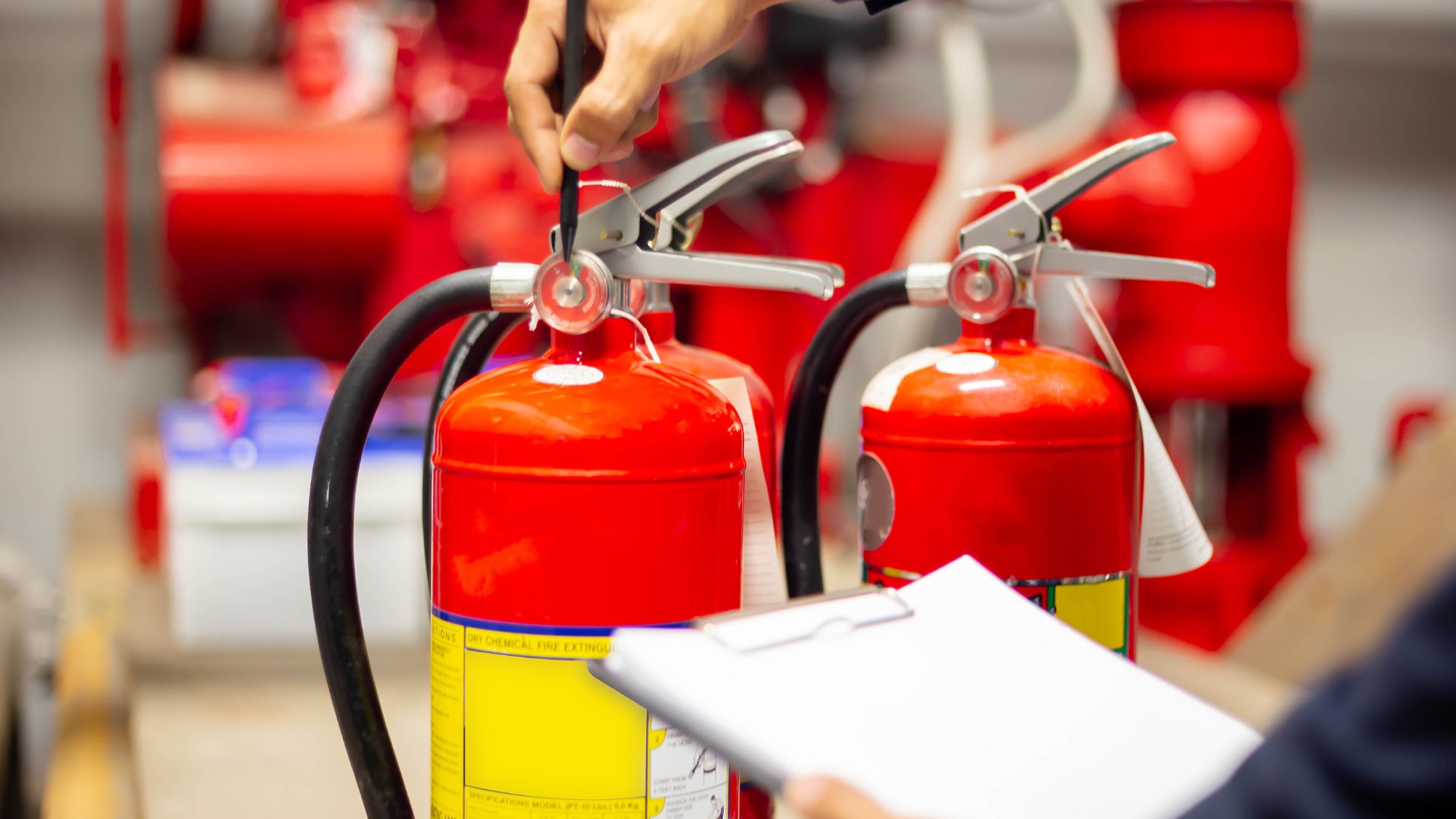
Fire safety in NSW strata buildings has always been a complex space. With multiple authorities involved and a mix of legacy systems and evolving codes, owners’ corporations often struggle to understand exactly when fire upgrades are required.
Recent guidance from the NSW Government has provided much-needed clarity. These updated rules outline the conditions that make fire safety upgrades mandatory and when they are not. For strata managers, this is a chance to act with more certainty and avoid unnecessary work.
When Are Fire Safety Upgrades Required?
According to the Building Commission, fire upgrades become mandatory in three main situations:
- If your building receives a Fire Safety Order from council or Fire and Rescue NSW
- If a Development Application (DA) proposes a change in use or significant alterations
- If any part of your fire safety system fails to meet the standards in the building’s fire safety schedule
These upgrades might involve fire doors, passive fire systems, signage, penetration seals or egress paths, depending on the scope of non-compliance.
When Are They Not Required?
Routine maintenance or minor cosmetic upgrades do not trigger mandatory fire upgrades if the building’s existing systems are still compliant. This includes painting, fixture replacement or other works that do not impact fire systems or performance standards.
However, strata managers should be cautious. Many non-compliances only come to light during Annual Fire Safety Statement (AFSS) reviews or when a building is inspected following complaints, insurance assessments or development proposals. For the latest changes to the AFSS process, see our guide to the AFSS changes from February 2026.
What This Means for Strata Committees
The clarified rules give owners’ corporations more certainty. You can avoid overcommitting to unnecessary upgrades but only if you fully understand what your building’s fire safety schedule requires. And if a Fire Order is issued, delays or partial responses are no longer viable.
Strata committees must be proactive, not reactive. Being prepared with documentation, an expert team and a clear plan is essential.
> Explore Dapcor’s Fire Safety Upgrade Services
How Dapcor Helps Navigate Fire Safety Compliance
At Dapcor, we help strata buildings understand their real obligations. We assess what systems are in place, what’s required by your fire safety schedule and what steps are needed for compliance. For buildings under Fire Order, we work with fire engineers and certifiers to scope, plan and deliver compliant upgrades. Our team manages upgrades to passive fire systems, safe exit pathways and penetrations without disrupting residents. We also handle the coordination, compliance documentation and certification needed for AFSS or council review.
You can see this kind of work in our Darling Point fire safety upgrade and our Neutral Bay BCA fire upgrade.
Our goal isn’t just to upgrade buildings. It is to protect lives, ensure compliance, and preserve the building’s reputation. Fire safety upgrades are not optional extras. In an emergency, lives are at risk. These works deserve the right level of attention and investment. It is not about cutting costs at all costs. It is about balancing essential safety upgrades with other improvements, while always prioritising the wellbeing of those living in the building.
Strata Fire Safety Compliance: Frequently Asked Questions
What is an Annual Fire Safety Statement (AFSS) and when is it due?
An AFSS is a declaration by or on behalf of the building owner that an accredited practitioner (fire safety) has assessed, inspected and verified the performance of each essential fire safety measure in the building, and has checked that the exit systems comply with the Regulation. It must be issued every year, and a copy must be given to the local council and to the Commissioner of Fire and Rescue NSW. Your building’s fire safety schedule lists the essential fire safety measures that apply.
Who is responsible for fire safety in a strata building?
The building owner is responsible for maintaining each fire safety measure to the minimum standard of performance set out in the fire safety schedule, and that responsibility cannot be passed to an agent. In a strata building the owner is the owners corporation. A strata manager or the executive committee can issue the AFSS on its behalf, but only with authority from the owners.
What happens if a strata building has a fire safety order or fails fire compliance?
Councils and Fire and Rescue NSW can issue a fire safety order that requires upgrades or new installations so the building meets Building Code of Australia requirements. Before issuing an order, the council must notify the owner of its intent, the terms of the order, the timeframe for compliance and the right to make representations or appeal. Owners can appeal a council order to the Land and Environment Court. An order issued by Fire and Rescue NSW generally cannot be appealed, except where it prevents people from using or entering the premises.
If you are unsure where your building stands, talk to our team about your fire schedule or Fire Order.