Dry Fire Systems

Reliable fire protection for cold environments.

Dapcor dry fire systems are engineered for the harshest conditions, delivering proven performance where freezing temperatures and reliability matter most. Your safety. Our mission.

Get in Touch
Button icon
safety you can trust

What Is a Dry Fire System?

Our dry fire systems are engineered for areas exposed to freezing temperatures, keeping your building and people safe when it matters most. Each system is designed and built in accordance with NFPA 13, CAN/ULC-S524 and other local codes and standards. Trust an established Canadian partner to protect what's yours, with smart design, reliable supply, expert service and a track record of results.

Fire sprinkler icon
system that deliver

Protection you can count on.

Button icon
Protection for Freezing Conditions

Designed to perform in low temperatures, ensuring your system is ready when you need it most.

Button icon
Reliable Compliance

Built to meet Australian standards, giving you the safety and assurance you can count on.

Button icon
Ideal for All Property Types

Protecting buildings, industrial sites and everything in between. Perfect for warehouses, loading docks, industrial buildings, parking, mechanical rooms and more.

Button icon
Low Maintenance & Easy to Use

Engineered for reliability with minimal upkeep and local, responsive support.

Button icon
Complete & Integrated

Design and engineering, supply, testing, maintenance and 24/7 support under one roof.

Our service

End-to-end Dry Fire System solutions.

Count on Dapcor to deliver dry fire systems on time, on budget and built right, with no gaps.

Check icon
DESIGN & ENGINEERING

Code-compliant design tailored to your project and environment.

Check icon
SUPPLY & MANUFACTURING

High-quality dry valve assemblies and components you can count on.

Check icon
TESTING & COMMISSIONING

Tested systems for performance you can trust, completed and online.

Check icon
MAINTENANCE & SERVICING

Ongoing inspection and servicing to keep your system performing.

Check icon
UPGRADES & COMPLIANCE

System upgrades and compliance advice to keep you protected.

Looking for Dry Fire Upgrade?

Trusted since 1974, Dapcor brings decades of building-services, remedial-construction and fire-upgrade experience to complex properties across Sydney and NSW. We understand that dry fire upgrades are rarely isolated from the rest of the building. Existing services, access, finishes, residents, tenants, shutdowns and compliance documentation all need to be considered together. Our team works with strata managers, owners corporations, consultants, facility managers, asset owners and builders to deliver coordinated dry fire system upgrades with a focus on safety, quality, communication and long-term building performance. Dapcor's 4.5-star iCIRT rating provides further confidence in the systems, governance and capability supporting our project delivery.

Get in Touch
Button icon

FAQ

1. What is a dry fire system?

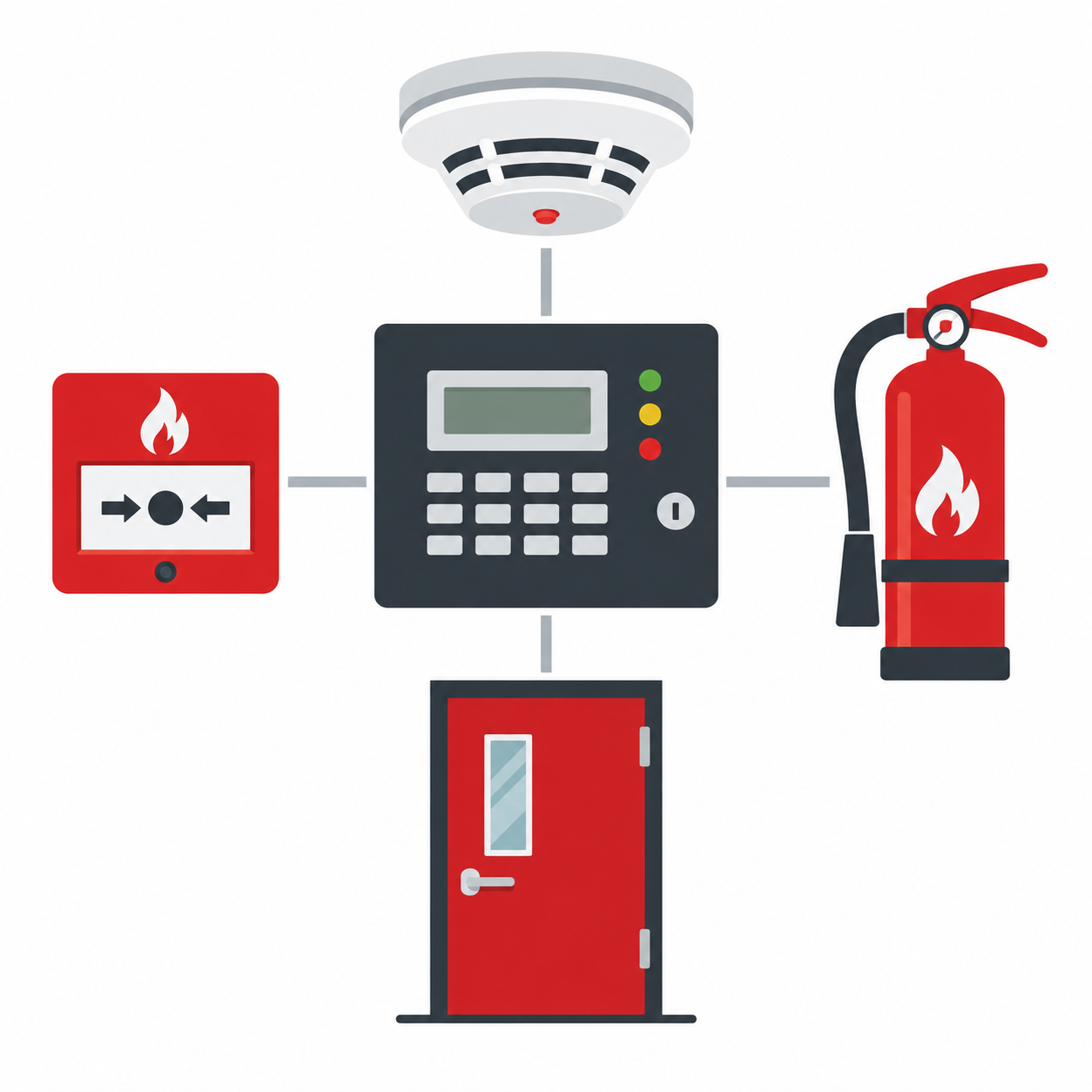
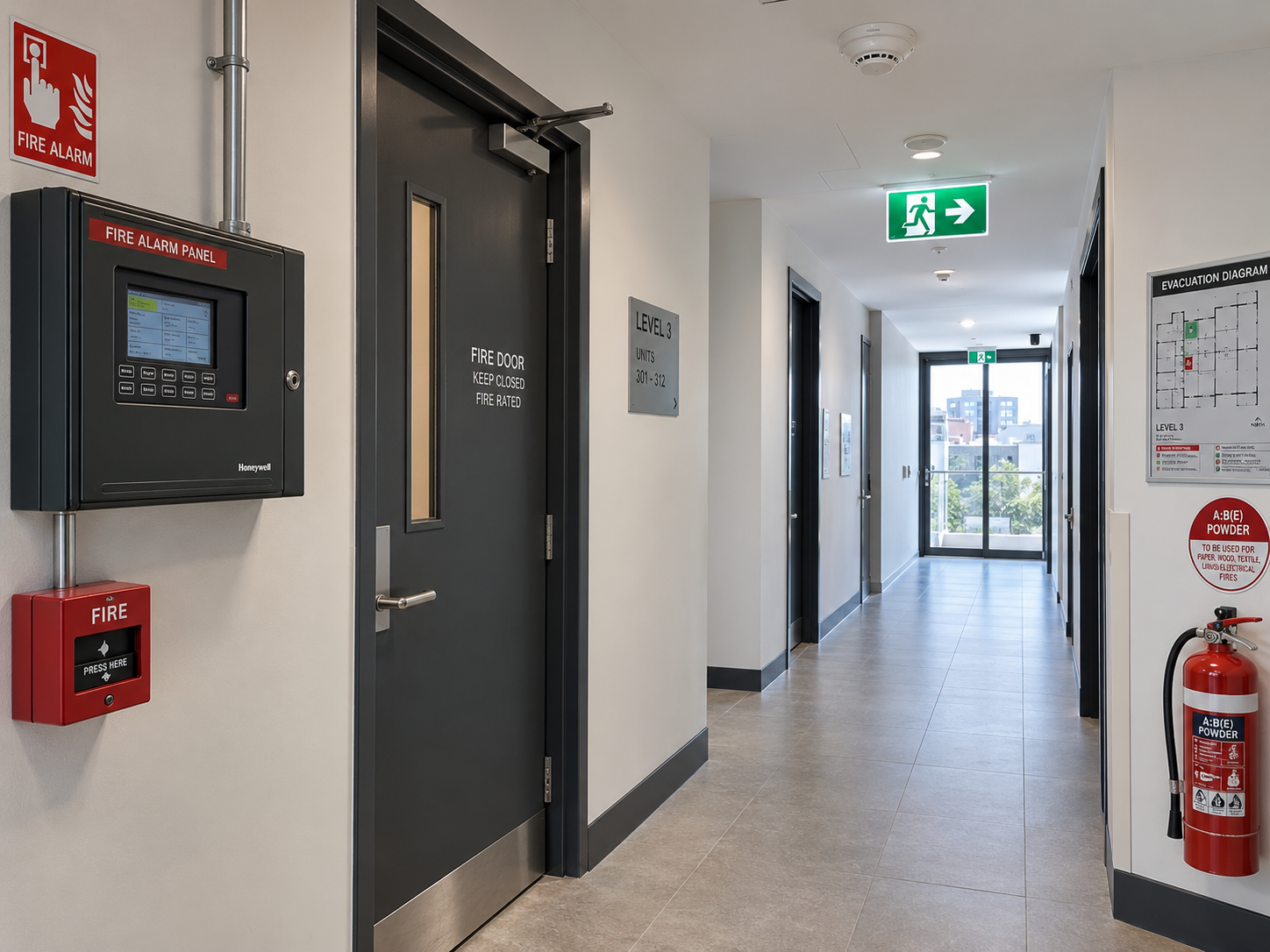
A dry fire system focuses on detecting fire, warning occupants and supporting emergency response. Typical systems include smoke and heat detectors, fire alarms, fire indicator panels, manual call points, EWIS, occupant warning systems and alarm monitoring.

2. What is the difference between wet and dry fire systems?

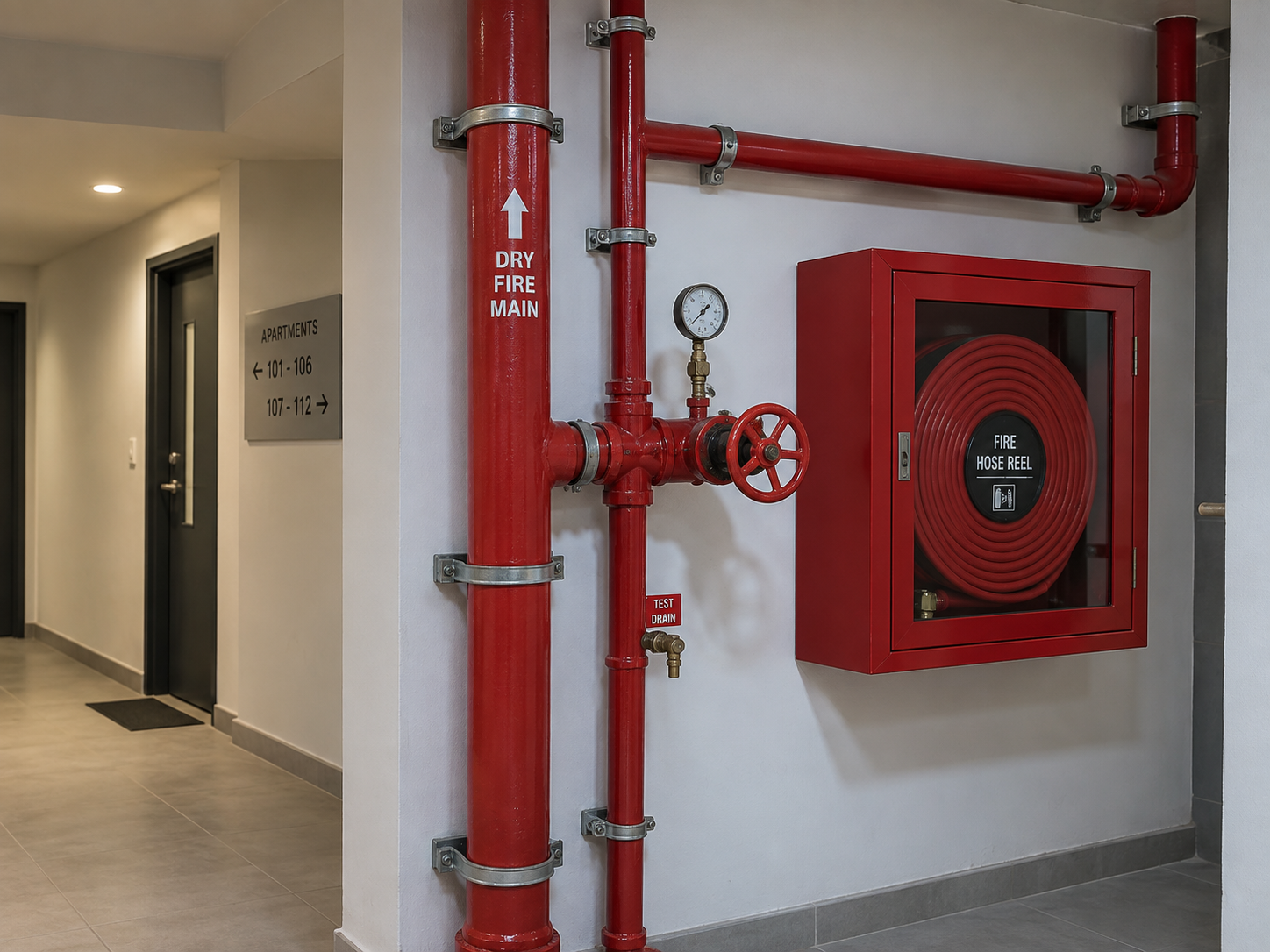
Wet fire systems use water-based infrastructure such as sprinklers and hydrants to help control or suppress fire. Dry fire systems focus on detection, warning, communication and system control. In many buildings, the two systems are interconnected.

3. What is a Fire Indicator Panel?

A Fire Indicator Panel, commonly called an FIP, receives information from fire detection devices and displays alarm and fault conditions. Depending on the building, it may also interface with occupant warning systems, smoke control, wet fire systems, lifts and alarm monitoring.

4. What is an EWIS?

EWIS stands for Emergency Warning and Intercommunication System. It provides warning and communication functions to assist with emergency management and evacuation in buildings where the system is required.

5. When should a Fire Indicator Panel be upgraded?

An FIP may require upgrading because of ageing equipment, obsolete components, recurring faults, building alterations, compliance requirements or incompatibility with newer fire safety systems. The existing system should be assessed before the upgrade scope is confirmed.

6. Can dry fire upgrades be completed while the building remains occupied?

Yes. Dapcor plans dry fire upgrades around residents, tenants and ongoing building operations. Testing, shutdowns, access and staging are coordinated to maintain safety and minimise disruption as far as reasonably possible.

7. Can Dapcor assist with Fire Safety Orders and AFSS-related works?

Yes. Dapcor can coordinate dry fire upgrade and rectification works arising from Fire Safety Orders, building audits, consultant reports and AFSS-related defects. The required scope is coordinated with the relevant consultants and fire safety practitioners.

8. Does Dapcor provide both wet and dry fire upgrades?

Yes. Dapcor delivers broader fire upgrade works involving both wet and dry fire systems, as well as associated remedial and building works required to complete complex fire safety upgrades.

9. Where does Dapcor provide dry fire system services?

Dapcor delivers dry fire and broader fire upgrade projects across Sydney and wider NSW, including strata, commercial and occupied buildings.

Need more guidance? Read our guide on fire upgrades in occupied buildings or explore all fire upgrade services.