

Restoring and Protecting Buildings through Remedial Construction, Cladding Solutions and Fire Safety Compliance
Made by Divulgo Digital Powered by Webflow

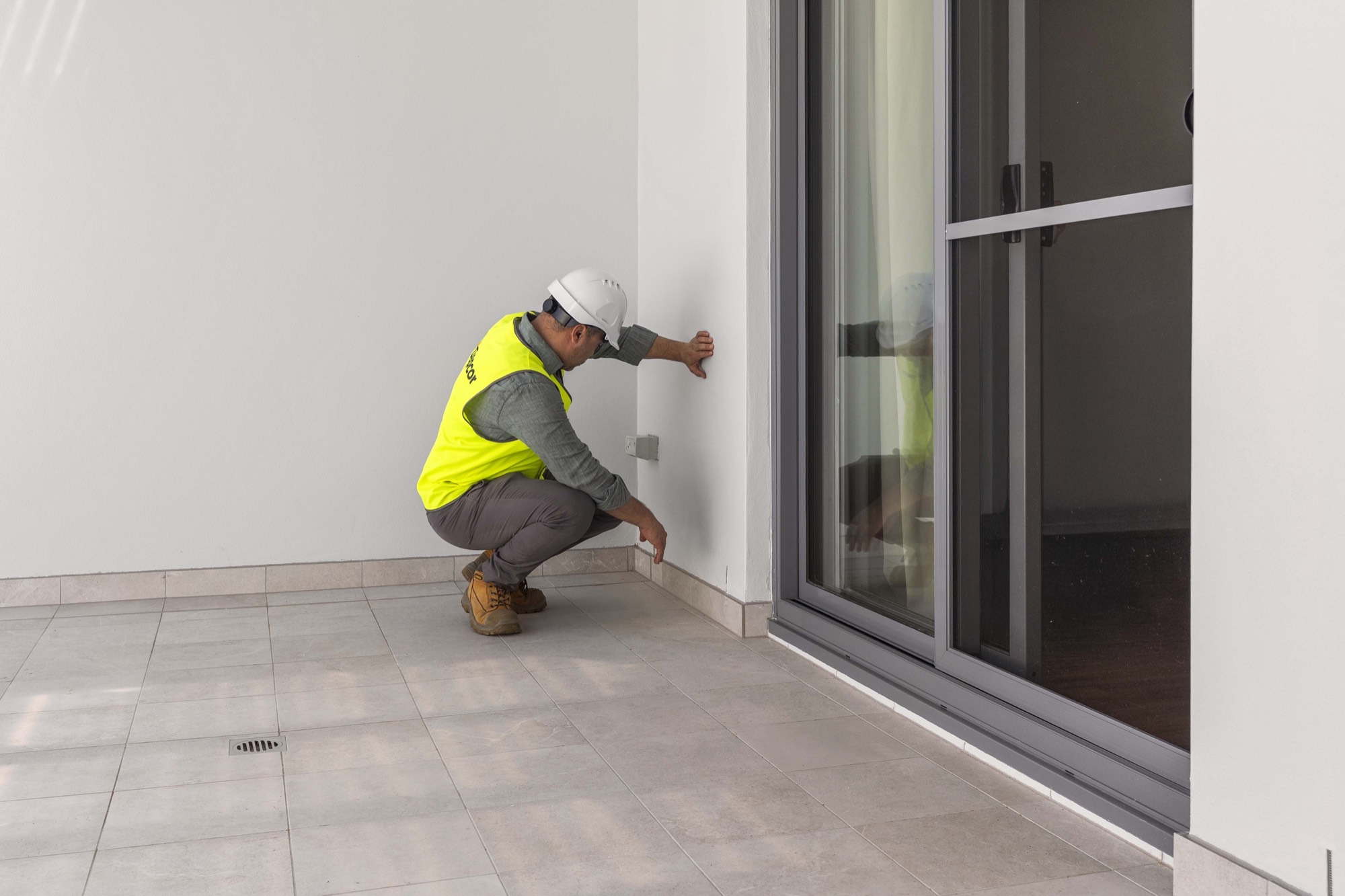
In NSW, responsibility is one of the biggest reasons remedial works are delayed. Industry reports consistently show that early-stage defects left unresolved can increase repair costs by 3 to 5 times once structural damage develops. Clarity at the start matters.
If a defect affects the structure of the building or shared elements, it is generally common property and the responsibility of the Owners Corporation.
If the defect is limited to internal finishes inside a lot, responsibility may sit with the individual lot owner.
Hidden causes often lead to disputes.
Common property typically includes:
Industry data shows that over 70 percent of serious remedial defects in strata buildings originate in common property, even when damage appears internally.
Balcony leaks into the apartment below
Balcony slabs and waterproofing are structural elements. Failed balcony membranes are one of the top three causes of strata water ingress claims. Responsibility usually sits with the Owners Corporation.
Concrete spalling on balconies or soffits
Concrete cancer affects reinforcement within structural elements. Once corrosion starts, deterioration can accelerate rapidly. Structural concrete is common property and requires Owners Corporation action.
Cracked or delaminated facade render
Facade defects are not cosmetic. Falling rendering is a recognised safety risk and a compliance issue. External walls and render fall under common property responsibility.
Water ingress from podiums or basement slabs
Basement and podium leaks are among the most expensive remedial repairs, often exceeding six figures if left untreated. These structures are common property.
Damaged tiles or finishes inside a lot
If the issue is isolated to finishes and not linked to slab movement or waterproofing failure, responsibility may rest with the lot owner. However, investigation is essential before assuming this.
Many strata committees rely on surface-level inspections. The problem is that:
Data from remedial audits shows that up to 60 per cent of projects increase in scope once invasive inspection begins, usually because defects were underestimated early.
When responsibility is unclear or deferred:
A waterproofing repair that may cost $10,000 to $20,000 can escalate into $100,000 or more once corrosion and structural repairs are required.
Remedial builders help strata by:
At Dapcor, investigations focus on evidence, access, and documentation to support compliant decisions.
When common property responsibility is identified early:
If your building is showing early signs of deterioration, investigation before escalation is the most cost-effective step.