

Restoring and Protecting Buildings through Remedial Construction, Cladding Solutions and Fire Safety Compliance
Made by Divulgo Digital Powered by Webflow

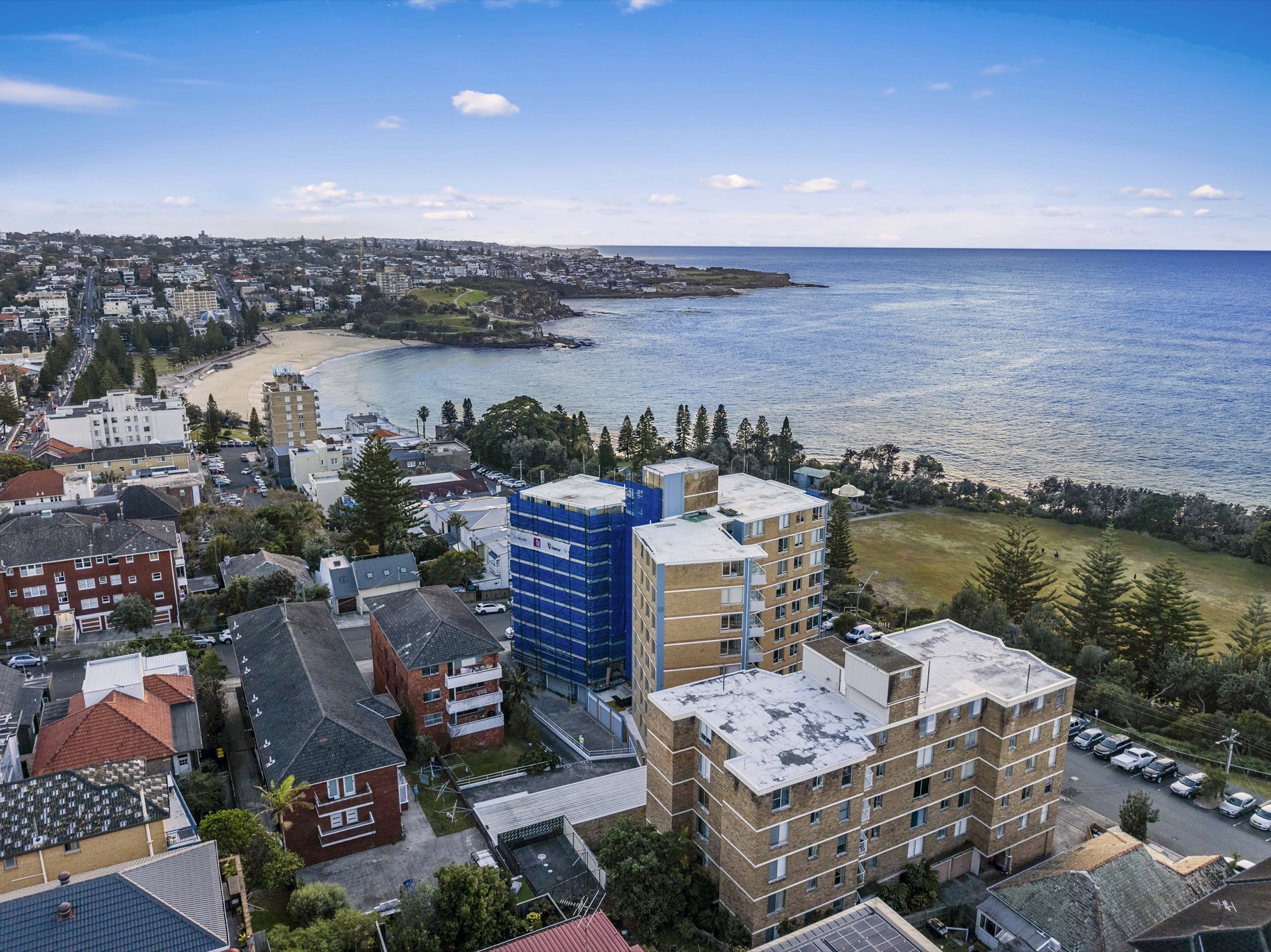
If you manage strata buildings, you probably know the feeling.
The scaffold is up, works have started, residents are asking questions, and then an email arrives with the subject line 'Variation'.
Most strata managers tell us this is one of the most stressful parts of any remedial project. Not because variations are always wrong, but because they can be unclear, hard to explain, and sometimes feel like they came out of nowhere.
From a remedial builder point of view, some variations are a normal part of working on existing buildings. Some can be reduced with better planning. A small number are a sign that more questions need to be asked. Understanding which is which makes projects easier to manage.
Remedial construction is different from new builds. We are working on structures that already have a history. There can be hidden defects inside slabs and walls, old repairs that have failed, and services that are not where drawings say they are.
Once demolition starts, we often see things that could not be confirmed at the tender stage. Extra corrosion behind a crack, a membrane that has failed over a larger area than first expected, or fire services that run through areas that looked clear on plans. When this happens, the scope needs to adjust.
These kinds of variations are usually linked to extra quantities rather than a complete change in methodology. They are a reflection of what is actually found in the building.
A reasonable variation is usually one that:
For example, finding extra concrete spalling along a slab edge once the surface is broken back is common. Extending a membrane into an area that is clearly saturated, even though it was not leaking into a unit yet, can also be a sensible change.
Concerns should rise when variations are large, arrive with little detail, or change the original approach completely. Vague descriptions like 'extra works required' without location, photos or quantities are a red flag. So are major cost changes in the first weeks on site without a clear reason.
In those cases, it is fair for strata managers and engineers to slow down the process, ask for more information, and make sure the variation is linked to a real condition and not to poor planning.
Not all variations can be avoided, but some can be reduced through better planning before site works begin.
Detailed investigations, including sample openings, give a clearer picture of what is happening behind finishes. Joint site walks between the engineer and remedial builder can help align expectations on quantities and access. Test areas agreed upon at the start of the project can also confirm methods and typical extents before a full service rolls out.
This early work may feel like extra time and cost, but it often saves money, confusion and conflict later. When strata managers push for strong investigations and clear scopes, they give committees a better chance of staying close to the original budget.
Owners are more likely to accept a variation when they can see it and understand it in simple language.
A short summary that explains what was found, why it matters, and what is being proposed is often enough. A simple table that shows the original allowance and the revised amount can help. Photos marked with the location in the building are powerful. They show that the change is linked to a real defect, not just a number on a page.
The goal is not zero variations. In remedial work, that is rarely realistic. The real goal is fewer avoidable variations, clear communication when unknowns appear, and a record that shows why decisions were made.
At Dapcor, we work with variations every day. We know they can create pressure for strata managers. With strong investigation, transparent information and a collaborative approach between builder, engineer and manager, variations can be managed in a way that feels fair for everyone involved.
Make Dapcor your trusted remedial construction partner and reach out to our team about your upcoming works.