

Restoring and Protecting Buildings through Remedial Construction, Cladding Solutions and Fire Safety Compliance
Made by Divulgo Digital Powered by Webflow

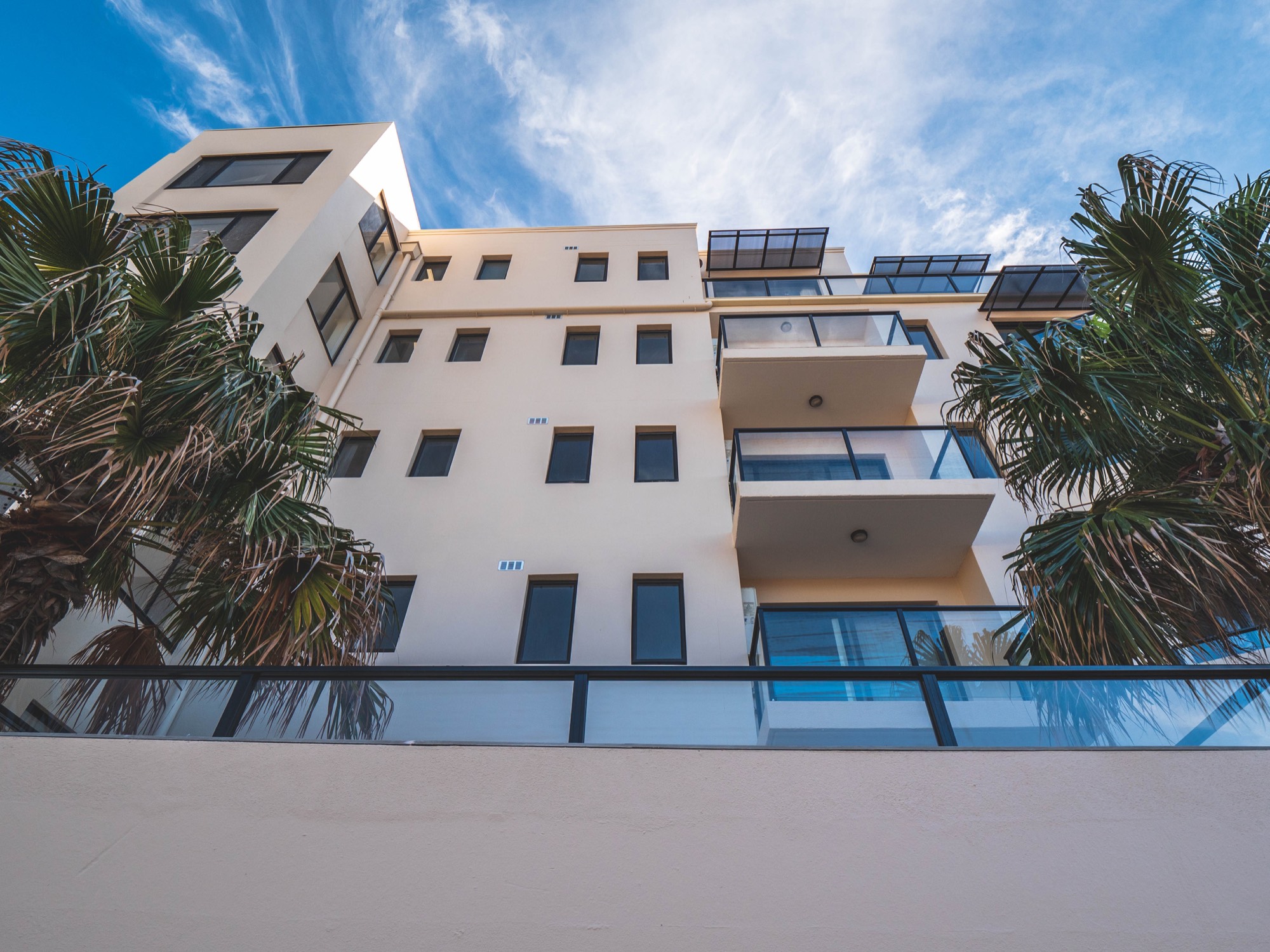
For strata managers and owners corporations, the challenge is not just understanding current requirements. It is knowing how to make informed decisions that protect the building, support residents, and reduce the risk of costly reactive works later. This is especially true for ageing buildings and coastal properties, where deterioration can accelerate and small issues quickly become major problems.
A clear remedial strategy today is not just about fixing what is visible. It is about planning ahead, documenting decisions properly, and working with teams who understand how NSW regulations apply in real, live buildings.
One of the biggest shifts now in place is how the duty to repair and maintain common property is being enforced. Following reforms introduced in late 2025, NSW Fair Trading has clearer authority to investigate buildings where essential maintenance has been delayed or overlooked.
For strata schemes, particularly those dealing with waterproofing failures, concrete deterioration, or safety-related defects, this means maintenance decisions are no longer viewed in isolation. Regulators now expect to see evidence that buildings are being actively maintained, risks are understood, and decisions are properly documented.
In coastal areas such as the Northern Beaches, where environmental exposure accelerates wear, postponing major works is no longer a low-risk option.
Since 1 April 2026, all new and updated 10-year capital works fund plans must follow a standardised format. This change has removed vague allowances and introduced greater transparency around future maintenance and repair costs.
For strata managers, this has reshaped the budgeting process. Capital works planning now requires closer coordination with engineers and remedial consultants to ensure scopes are realistic, staged correctly, and aligned with the building’s actual condition.
For owners corporations, these plans provide clearer visibility over what lies ahead and help reduce surprises when major works are required.
The Design and Building Practitioners Act already applies to Class 2 residential apartment buildings. In 2026, its reach continues to expand.
From 1 July 2026, alteration and renovation works on existing Class 3 and Class 9c buildings, including hotels, serviced apartments, and aged care facilities, must comply with full DBP Act requirements. This includes regulated designs, registered practitioners, and formal declarations.
For strata managers overseeing mixed-use buildings or serviced accommodation, this has direct implications for project timelines, consultant engagement, and approval processes. Early planning is now essential to avoid delays once works are underway.
Remedial construction is a long-term investment for any owners corporation. With increased focus on documentation, quality assurance, and builder capability, confidence in who delivers the work matters more than ever.
At Dapcor, our 4.5-star iCIRT rating reflects more than technical skill. It confirms that our systems, governance, and financial stability have been independently reviewed to support complex remedial projects in a highly regulated environment.